

In the treatment of spinal degenerative disc disease, spinal stenosis and disc herniation, there are three main options: (1) therapeutic exercise or manipulation, (2) medications and injections, and (3) surgery. I prefer to place patients on a non-operative care pathway first, as there are only a few symptoms that require surgery as a first option. These include neurological dysfunction in the extremities, and the loss of bowel and bladder control. If non-operative care is not improving the patient’s symptoms, a discussion involving surgery is the next step.
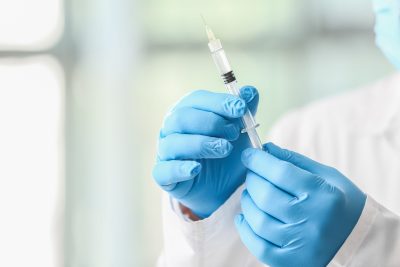
Sometimes patients will suggest trying a stronger injection in the spine. Generally, an epidural steroid injection (ESI) is used to place the anti-inflammatory cortisone very close to the compressed nerve and the arthritis. The hope is that the steroid will decrease in inflammation, make the pain better, and give the patient time to progress in physical therapy and more time for the body to heal the compression on the nerve. Steroids will only help with the inflammation, they do not make the mechanical pressure on the nerve go away.
A recent evaluation looked at all the literature that analyzed the effectiveness of ESI’s (Pain Medicine, 25 January 2026). The researchers found 14 studies that included 1553 records through August 2025. Those studies had several types of steroid medication and in varying dosages, so it gave them a good amount of data to work with. They concluded that increasing the dose amount of steroid did not increase the patient’s pain reduction or improve their function. They did find that increasing the amount of steroid in the injection increased the risk of side effects, including hyperglycemia, hypothalamic-pituitary-adrenal axis dysfunction and other endocrine adverse effects.
There is limited amount of steroid our body can handle in one injection and, at some point, the risk becomes too great to continue. When the non-operative treatments have been exhausted, that’s the time to consider surgery to improve your pain and function. You may not want to go down a surgical pathway, but at least have a conversation about the alternatives, risks and benefits.
To make an appointment with Dr. Jeffrey Carlson, call Orthopaedic & Spine Center at 757-596-1900, or use our online scheduling tool.